

3 Scientific Ways to Manage Stress This April
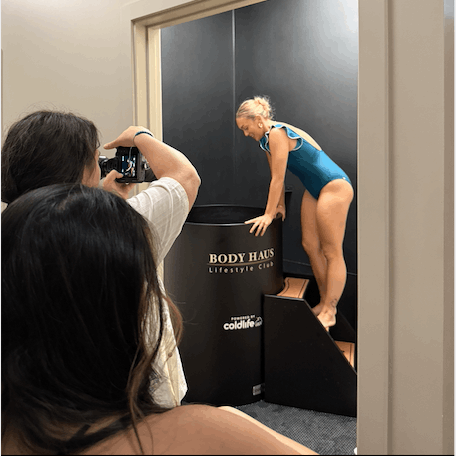
Cortisol vs. Cold Plunge
As the April rain clears over the Muskegon shoreline, many of us are finding that the "Spring Reset" isn't just about cleaning out the garage, it’s about clearing out the mental clutter. If you’ve spent your West Michigan work week juggling deadlines, digital noise, and a never-ending to-do list, your cortisol levels are likely red-lining.
At Body Haus Lifestyle Club (BHLC), we don’t believe in "waiting" for stress to go away. We believe in out-disciplining it.
The fastest way to "quiet the noise"? The 3-minute Cold Plunge challenge. It sounds counterintuitive to jump into cold water to find peace, but the science of biohacking stress proves otherwise. Here are three scientific reasons why deliberate cold exposure is the ultimate cortisol killer this April.
1. The Norepinephrine Spike: Nature’s "Mute" Button
When you submerge your body in the Cold Plunge at our Norton Shores studio, your brain undergoes an immediate chemical shift. Within seconds, your system releases a massive surge of norepinephrine, a hormone and neurotransmitter that can spike by 200–300% during cold exposure.
Norepinephrine is responsible for focus, attention, and vigilance. By forcing this massive release, you essentially "crowd out" the low-level, ruminating thoughts of your work week. It acts as a biological mute button; when your body is focused on the intense (but safe) stress of the cold, it forgets to worry about that unread email.
2. Vagus Nerve Stimulation: The "Shift" to Parasympathetic
Chronic stress keeps you in a "sympathetic" (fight-or-flight) state. Your heart rate is up, your breathing is shallow, and your cortisol is high. To manage stress relief effectively, you have to force your nervous system to "downshift."
Deliberate cold exposure triggers the Vagus Nerve, the main component of the parasympathetic nervous system.
When the cold hits your skin, your body initially panics, but as you practice the "Discipline with Soul" breathwork we teach at BHLC, you train your Vagus Nerve to activate. This lowers your heart rate and signals to your brain that you are safe. Over time, this "vagal tone" improves, meaning you’ll stay calmer during stressful meetings or traffic on US-31.
3. Building "Top-Down" Resilience (Hormesis)
Biohacking stress isn't just about the three minutes in the water; it's about the hours after you get out. Cold plunging is a form of hormesis, a beneficial type of stress that makes the body stronger.
The Science: When you voluntarily choose to stay in the cold, you are exercising your prefrontal cortex (the logical brain) to override the amygdala (the fear brain).
By winning the 3-minute challenge in the water, you are building "top-down" control over your stress response. This creates a psychological buffer. After conquering 45°F water at BHLC, a stressful afternoon at the office feels significantly more manageable. You’ve already done the hardest thing you’ll do all day.
Experience the Reset in Norton Shores, Michigan
If you are ready to stop "surviving" your stress and start mastering it, our All-Access Recovery Membership is your gateway. April is Stress Awareness Month, and there is no better time to integrate deliberate cold exposure in Michigan into your weekly ritual.
Take the Cold Plunge Challenge:
The Ritual: Pair a 50-minute Reformer Pilates session with a 3-minute Cold Plunge and 15 minutes of Red Light Therapy.
The Flash Sale: Don’t miss our Spring Flash Sale (April 17th–19th) to lock in VIP pricing on our recovery suite.
The Community: Join us on April 22nd for National Stress Awareness Day as we host a guided group reset